Revamp Your Outdoor Area: Advice From an Expert Landscaper
Transforming an open-air environment necessitates thorough consideration and strategic planning. A professional landscaper stresses the significance of evaluating existing features and outlining dedicated sections for diverse activities. Including structural hardscaping components can elevate the utility and character of the space. Furthermore, picking suitable greenery and light fixtures can greatly impact the entire aesthetic feel. Understanding these elements is essential. How can one successfully execute their outdoor design goals?
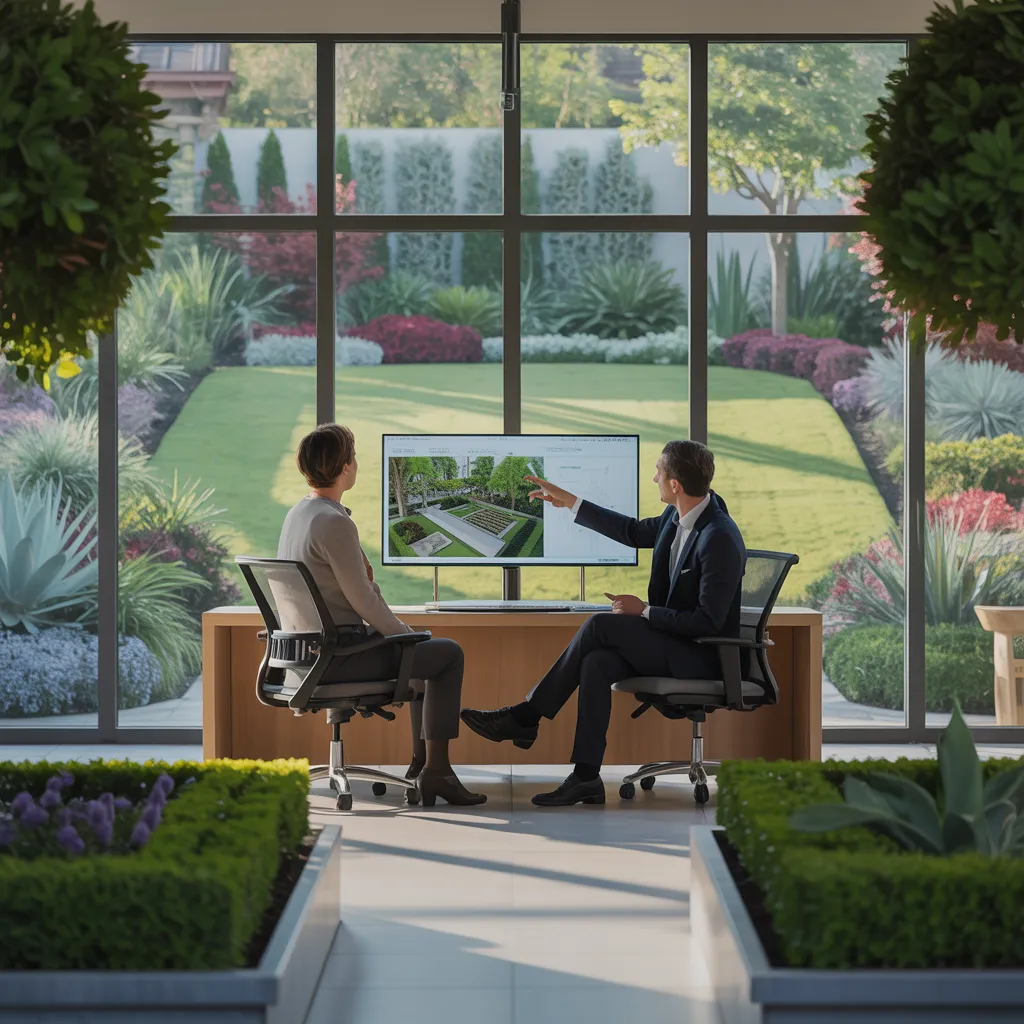
Evaluate Your Outdoor Space: Determine Essential Changes to Implement
How should one go about examining an outdoor space to pinpoint required modifications? Initially, a detailed examination of the area is required. This encompasses evaluating the usability of established components including paths, benches, and lighting fixtures. Observing how these elements interact with one another can reveal potential improvements. Moreover, one should assess the current state of plants and garden materials, taking note of areas that could benefit from repair or substitution.
Additionally, assessing the usability of the space is essential. Do dedicated areas exist for relaxation, entertainment, or gardening? Pinpointing neglected zones can highlight opportunities for enhancement. Factors such as sunlight exposure and drainage, should also be considered, as they affect the health of plants and general enjoyment.
Lastly, seeking opinions from household members or frequent guests can deliver meaningful observations. By integrating personal assessments with input from others, it becomes possible to develop a comprehensive strategy for transforming the outdoor space effectively.
Establish Your Vision: Picking the Best Design for Your Garden Space
Choosing the right style for a garden commences with determining personal preferences. Discovering different garden concepts can assist people establish a space that reflects their style and fulfills their desires. By carefully evaluating these factors, one can convert an garden space into a harmonious and welcoming retreat.
Identify Your Preferences
When establishing the style of a garden, it is essential to consider personal preferences and the desired aesthetic. The journey starts by assessing personal preferences, whether gravitating toward sleek modern design, classic rustic beauty, or bold tropical aesthetics. A thorough evaluation of color schemes, plant selections, and garden structures can help shape decisions aligned with a personal vision. Beyond aesthetics, practical elements such as regional climate, care demands, and spatial availability ought to shape the final decisions. Considering the intended purpose of the garden—whether for hosting guests, unwinding, or cultivating plants—can further refine preferences. Ultimately, identifying these elements creates a unified design that improves the outdoor environment while expressing the owner's character and way of life, laying the groundwork for an authentically customized garden journey.
Browse Garden Themes
Discovering landscape styles enables home dwellers to develop a personalized garden appearance that suits their individual style and habits. Various themes, such as cottage, modern, or Mediterranean, provide unique elements that can be adapted to suit personal preferences. A cottage garden, characterized by its informal layout and diverse plantings, radiates character and coziness. Conversely, a contemporary outdoor space emphasizes clean lines and minimalism, frequently featuring hardscaping and contemporary materials. A Mediterranean-inspired design cultivate peaceful ambiance, incorporating hardy plants and rich, warm tones. While deciding on a design theme, property owners should evaluate key aspects like environmental conditions, care demands, and aesthetic preferences. In the end, a well-chosen garden theme goes beyond boosting the aesthetic beauty and simultaneously develops a unified exterior environment that embodies the homeowner's identity.
Add Hardscaping for Structure
To elevate the general appeal of an outdoor environment, adding hardscaping components delivers fundamental structure and harmony. Hardscaping encompasses the non-living elements such as patios, walkways, retaining walls, and decorative stones that establish distinct areas within the landscape. These components support both usability and beauty, channeling movement and defining key focal points.
To illustrate, a well-placed stone pathway can direct people through a garden, while a raised patio can serve as an outdoor living area, creating a clear separation from the home to the yard. Additionally, including materials like brick, pavers, or natural stone can improve the visual appeal and durability of the space.
Incorporating hardscaping not only cuts down on maintenance by decreasing grassy areas but also permits innovative designs that reflect individual style. Ultimately, these elements establish the foundation for a unified outdoor space, merging effortlessly with the surrounding landscape.
Find the Best Plants for Your Climate
When choosing plants for exterior areas, familiarity with the local climate is crucial. This understanding facilitates the identification of locally suited plants, which are typically more durable and well-adjusted to their surroundings. By picking the most suitable plant types, horticulturists can improve their garden's durability and aesthetic value.
Evaluate Your Local Climate
Recognizing the surrounding climate conditions is vital for selecting the right plants, as it directly influences their development and longevity. Considerations like temperature extremes, relative humidity, water availability, and sun exposure play an important role in identifying which plants flourish. For instance, areas experiencing hot summers and gentle winters may support drought-tolerant varieties, while localities with high moisture levels might support more moisture-loving varieties. Plant enthusiasts should also consider seasonal changes and microclimates within their landscape, as these can significantly influence how plants develop. By studying local weather patterns precisely, cultivators can design a individualized growing strategy that not only improves visual beauty but also promotes a long-lasting and robust garden landscape. This method results in thriving plants and lowered maintenance needs.
Benefits of Native Plants
Choosing native plants for a garden corresponds perfectly with the insights gained from assessing the local climate. Such plants have evolved for local conditions, requiring less water, fertilizer, and maintenance compared to non-native species. These plants flourish in specific soil types and weather patterns, fostering healthier ecosystems. Moreover, native plants draw in local pollinators, such as bees and butterflies, which are vital for biodiversity. By incorporating native species, homeowners can develop sustainable landscapes that support wildlife while enhancing the aesthetic value of their outdoor spaces. Additionally, these plants often exhibit resilience against pests and diseases prevalent in the area, lessening the need for chemical interventions. Ultimately, selecting native plants cultivates a harmonious relationship between the garden and its surrounding environment.
Transform Your Yard With Outdoor Lighting
Establishing the ideal atmosphere with outside lighting can turn any area into a warm sanctuary. Carefully positioned lighting can illuminate architectural elements, garden paths, and greenery, improving the general appearance. Soft, warm lighting is perfect for establishing a welcoming ambiance, while hanging lights or outdoor lanterns can bring a charming element to exterior entertaining.
Professionals recommend combining multiple light sources to create visual depth. As an illustration, pairing ambient lighting with task and accent lights can produce a well-balanced atmosphere. Adding motion-activated lights enhances security while also providing functional illumination.
Additionally, incorporating dimmers creates flexibility, permitting modifications according to the setting. Solar-powered lights represent a green alternative that requires minimal maintenance, rendering them perfect for diverse outdoor areas. When all is considered, well-designed outdoor lighting not only boosts safety but also encourages relaxation and socializing, rendering any outdoor space significantly more appealing.
Make Your Space Your Own: Styling Tips to Beautify Your Garden
Outdoor spaces are wonderfully transformed by including distinctive accents that express unique personality. Integrating special outdoor embellishments, such as ornamental figures or wind chimes, can develop eye-catching features that command interest. Selecting vibrant planters or ornamental containers infuses lively color, while decorative trellises dressed with climbing flora introduce vertical interest.
Customized seating spaces, incorporating cushions in assorted textures and patterns, encourage rest and social interaction. Outdoor walkways accented with charming stones or natural pebbles can lead guests across the area, enriching the complete journey.
Including features like birdhouses or butterfly feeders brings in wildlife and introduces a charming aesthetic. Furthermore, displaying time-appropriate decorations, such as autumn gourds or spring flowers, maintains a lively and refreshing garden atmosphere across every season.
Preserve Your Oasis: Key Care Tips for Lasting Beauty
Tending to a garden oasis needs steady maintenance to guarantee its charm lasts through the seasons. Regular watering is necessary, particularly during arid conditions, guaranteeing that plants get adequate water without being overwatered. Mulching around plants helps maintain moisture and complete information control weeds, encouraging a stronger garden. Pruning is an equally important task; it promotes new growth and removes dead or diseased branches. Feeding plants should be tailored to each plant's requirements, supplying essential nutrients for colorful blooms and lush foliage.
Controlling weeds is vital; an active strategy minimizes the struggle for nutrients and space. Seasonal inspections can identify pests or diseases early, enabling prompt corrective action. Furthermore, essential lawn upkeep practices like mowing and aeration help achieve a refined and well-kept look. By following these essential maintenance guidelines, an outdoor space can thrive, evolving into an enduring haven that captivates and inspires throughout the seasons.
Get the Most Out of Your Outdoor Space at Night
How does one fully experience an exterior living space when night arrives? Strategic lighting completely changes the mood, showcasing landscape details and establishing charming paths. Gentle, warm illumination can highlight the natural greenery, while decorative string lights bring a charming effect. Adding lanterns and candles creates a warm and inviting setting, suitable for social events or relaxing moments.
Moreover, including outdoor heaters or fire pits increases versatility, enabling comfort and warmth on cooler evenings. Sound elements, such as water features or soft music, can improve the atmospheric experience, making the area feel more dynamic and inviting.
Furniture choices also play a significant role; comfortable seating encourages relaxation and social interaction. Finally, consider incorporating night-blooming plants to add fragrance and visual interest after dark. By thoughtfully enhancing these elements, one can create a fascinating outdoor sanctuary that thrives in the evening hours, inviting exploration and enjoyment long after sunset.
Common Questions and Answers
How Do I Budget for a Landscaping Project?
When budgeting for a landscaping project, homeowners should identify the desired elements, obtain quotes from landscaping experts, factor in materials and labor costs, and establish a contingency fund for unforeseen costs during the project.
What Are the Ideal Times of Year for Landscaping?
The ideal times for landscaping are typically early spring and fall. Throughout these periods, conditions are temperate, permitting plants to take root ahead of winter cold or summer warmth, promoting healthier growth and optimal outcomes for landscaping projects.
Can I Handle Landscaping Myself or Should I Hire a Professional?
Individuals can choose to take on landscaping independently or work with a professional landscaper, based on their expertise, schedule, and scope of work. Evaluating one's capabilities and desired outcome typically establishes the ideal path forward for completing landscaping work.
What Is the Best Way to Choose a Landscaper for My Project?
To select the best landscaping professional, one should examine portfolios, check references, evaluate experience, and guarantee alignment with project vision. Additionally, requesting multiple quotes can assist in gauging pricing and available services for well-informed decision-making.
What Are the Most Common Landscaping Mistakes to Avoid?
Frequent errors in landscaping involve planting too densely, overlooking soil quality, disregarding local climate, neglecting maintenance needs, and failing to account for growth. Thorough research and careful planning can prevent these issues and lead to a thriving landscape project.